Education
Mathematics, computer science, and the theory underneath both.


Projects
Trading systems, quantitative research, game theory, and reinforcement learning.
Limit Order Book & Matching Engine
The data structure at the centre of every exchange: price-time priority matching with limit, IOC and market orders, cancels and in-place reductions. Real Nasdaq data has market makers' stub quotes parked at $0.01 and $199,999.99, so price levels live in chunks allocated on demand and a hierarchical bitmap finds the next best price in a few word operations across any gap. Replayed a full trading day of Nasdaq ITCH data (11.5 million operations on AAPL, MSFT, AMZN, SPY and QQQ) in exact sync with the exchange's feed, at 40M+ operations per second, about 3× a std::map book. 1.9 million test checks against a deliberately naive reference book.
Does Pairs Trading Still Work?
A walk-forward test of statistical-arbitrage pairs trading on 60 US stocks, 2011–2025, with the strategy and the bar for an edge written down before any backtest ran. Trades at the next day's close, pays costs, and reports a block-bootstrap interval and a deflated Sharpe ratio across all 18 variants tried. The answer is no: net Sharpe −0.41, all 18 variants lose money, and only 8.8% of pairs chosen for being cointegrated stay cointegrated over the next six months, close to the 5% chance would give. The same code earns a Sharpe of 1.9 on data with a real relationship planted in it.
Poker Solver (CFR / CFR+)
Counterfactual regret minimization, the self-play algorithm behind the bots that beat poker professionals, solving Kuhn poker and Leduc Hold'em. Exploitability is computed exactly with a best response that respects what each player can see: CFR+ gets Leduc to 7.5 × 10⁻⁶ chips per hand in 10,000 iterations, and the Kuhn solution lands precisely in Kuhn's 1950 family of equilibria. Along the way: a subtle bug that made CFR+ no faster than CFR, found, fixed, and pinned with a regression test.
Crash-Safe Key-Value Storage Engine
An embedded database written from scratch: a B+ tree over 4 KB slotted pages, an LRU buffer pool, and write-ahead logging with CRC-guarded records and two-pass crash recovery. Durability is tested the only way that really counts — kill the writer mid-transaction with SIGKILL, reopen, and require every acknowledged write to still be there. 5,800+ checks pass, and group commit raises write throughput 54×, from 288 to 15,495 operations per second.
Quadrotor Landing (Reinforcement Learning)
A 3D quadrotor physics simulator and Gymnasium environment, with a PPO policy that lands on a randomized pad in roughly 100% of episodes at gentle 0.3 m/s touchdowns. Raw motor control plateaued near 50%; a structured attitude-setpoint action space over a 240 Hz inner PD loop, a curriculum on spawn difficulty, and potential-based reward shaping took it the rest of the way. You can fly it manually from the keyboard, then press Enter and watch the policy take over and land it.
WATO Autonomous Demo
Virtual self-driving car demo with pathing, perception, and navigation highlights.
3D Hand Pose Tracker (Simplified)
Real-time hand tracking with 97% accuracy and full-joint landmark mapping for gesture-driven UI.
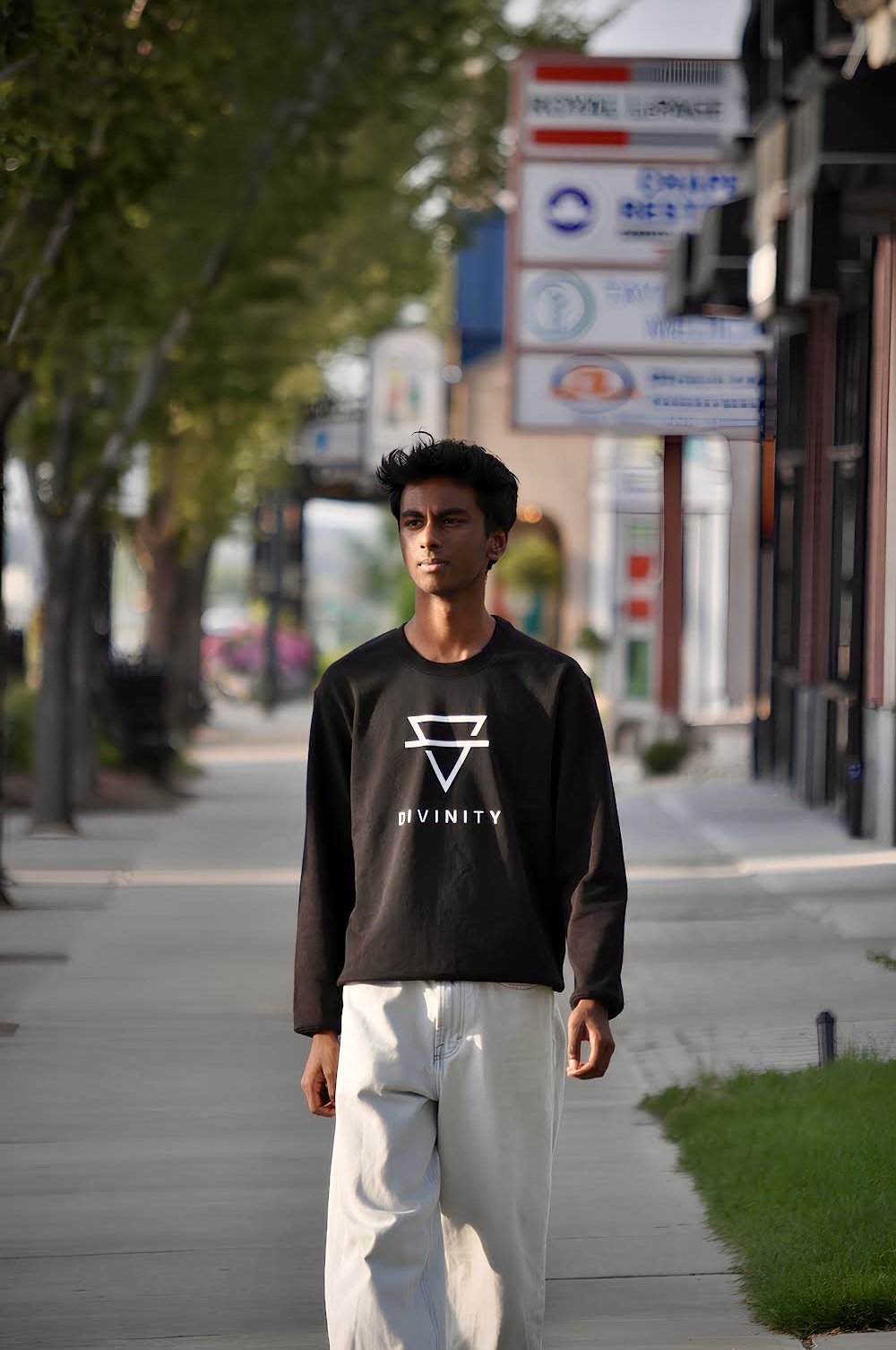
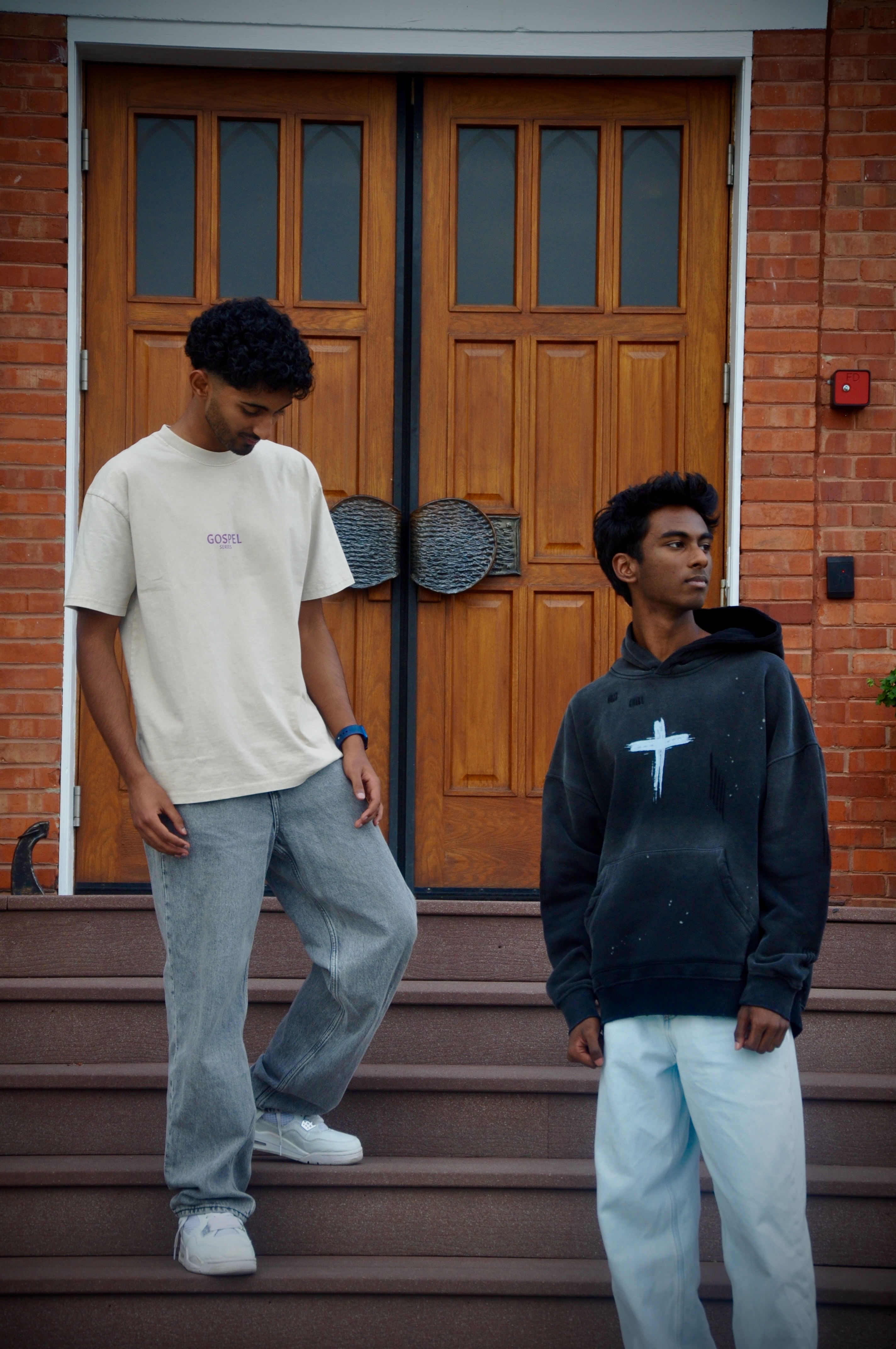

DIVINITY
Co-founded and managed an online clothing brand. Built and maintained the storefront (HTML/CSS/JavaScript), integrated Stripe, and grew Instagram (@divinity yeg) while coordinating drops and customer outreach.
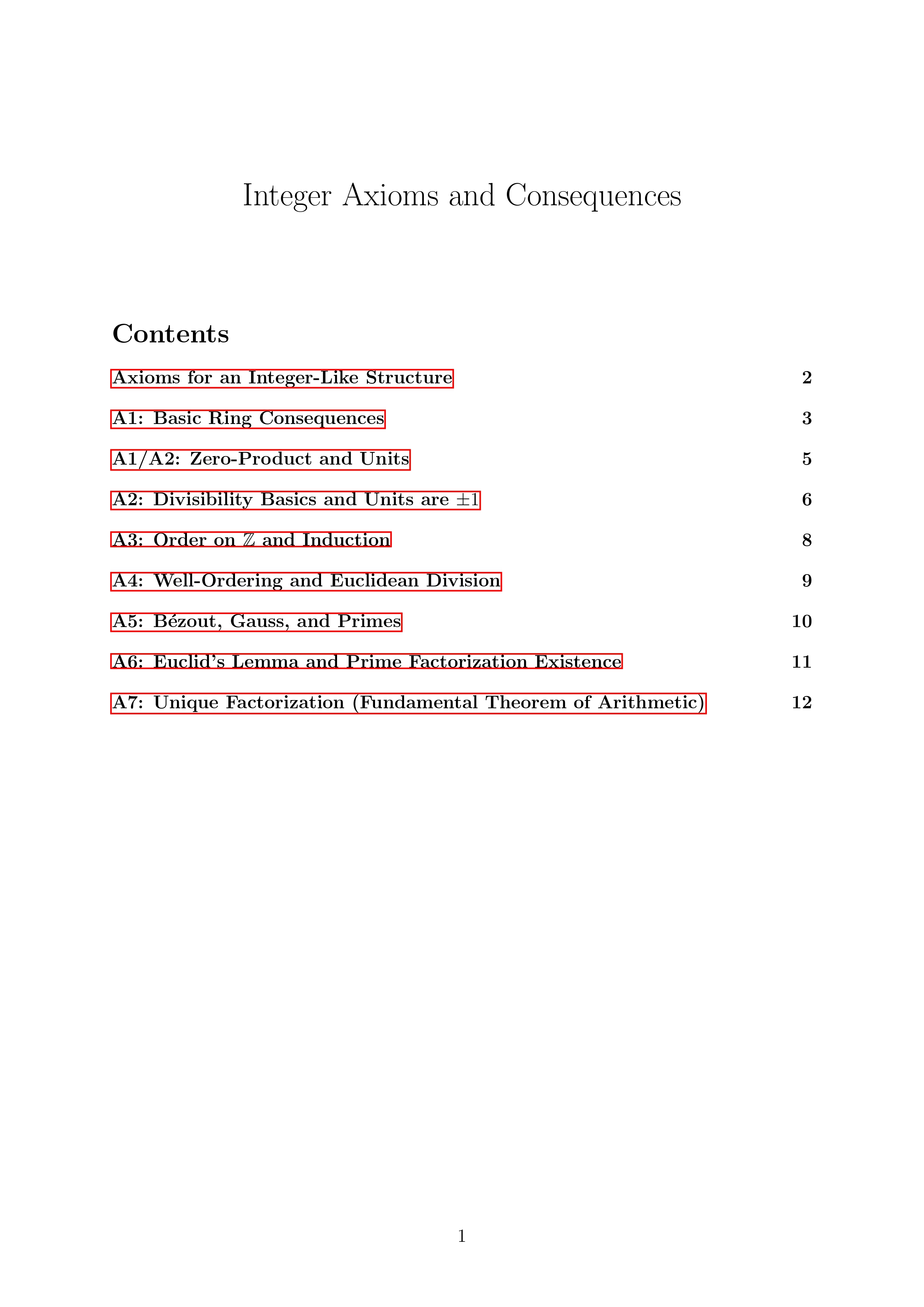
Math
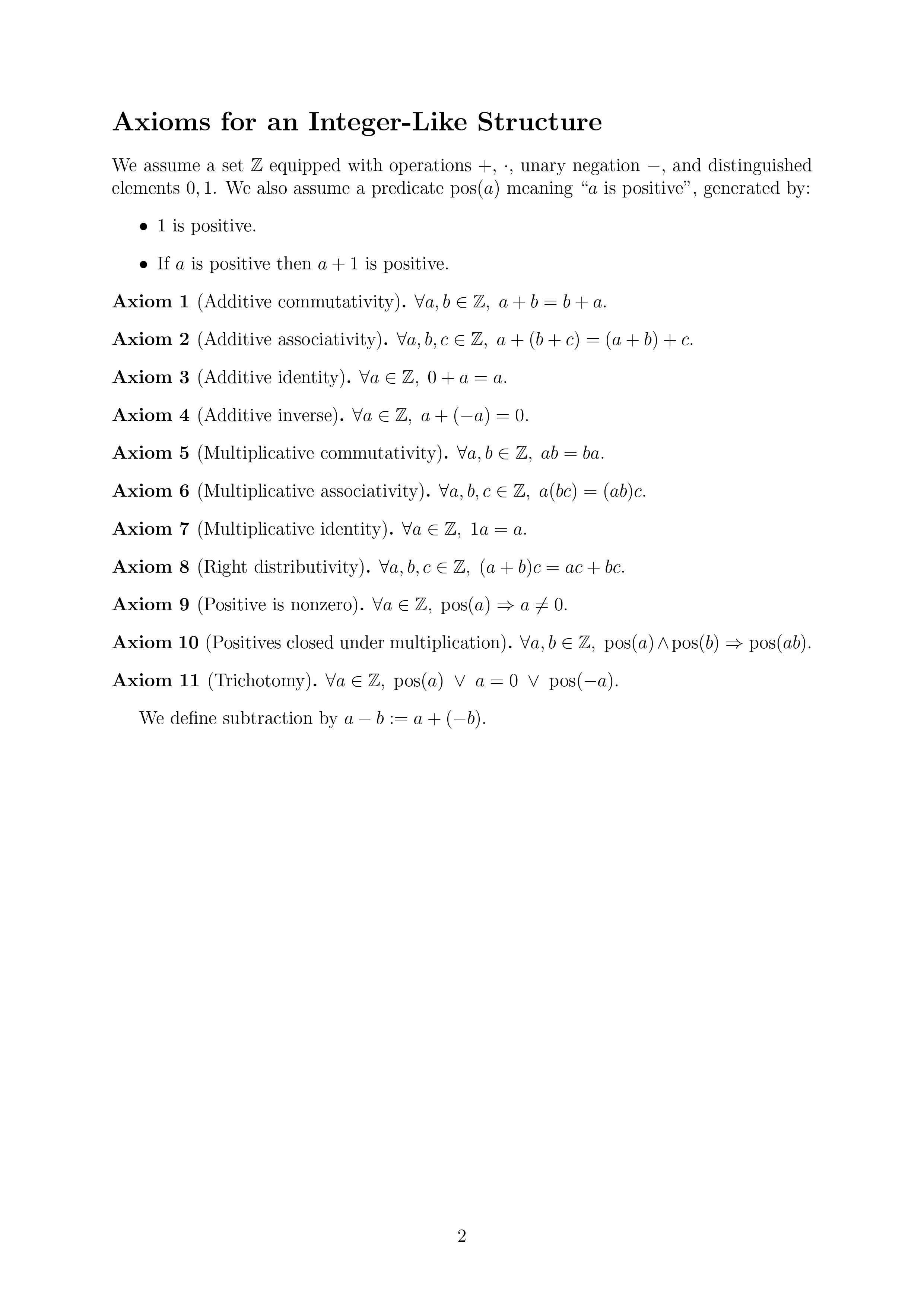
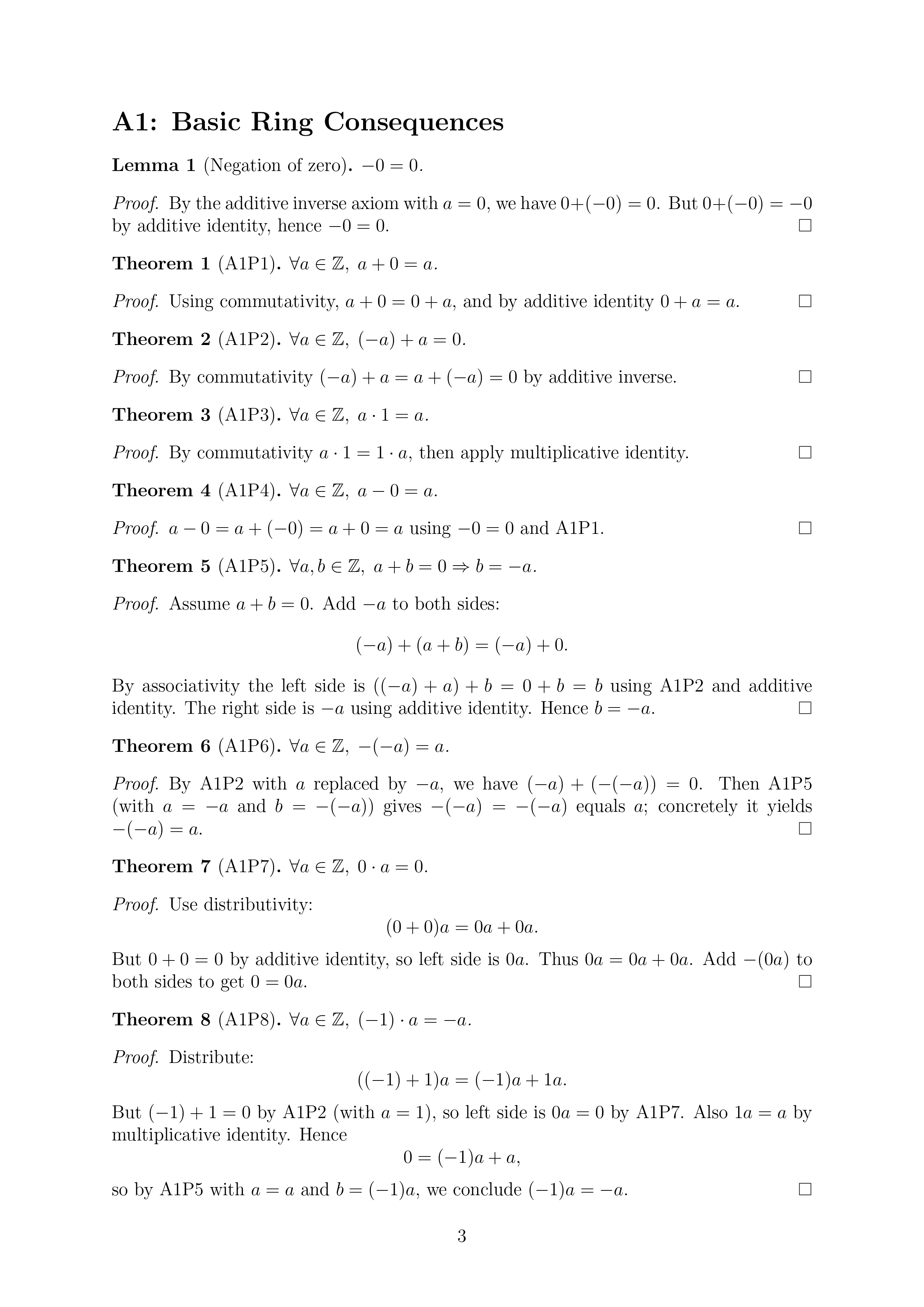
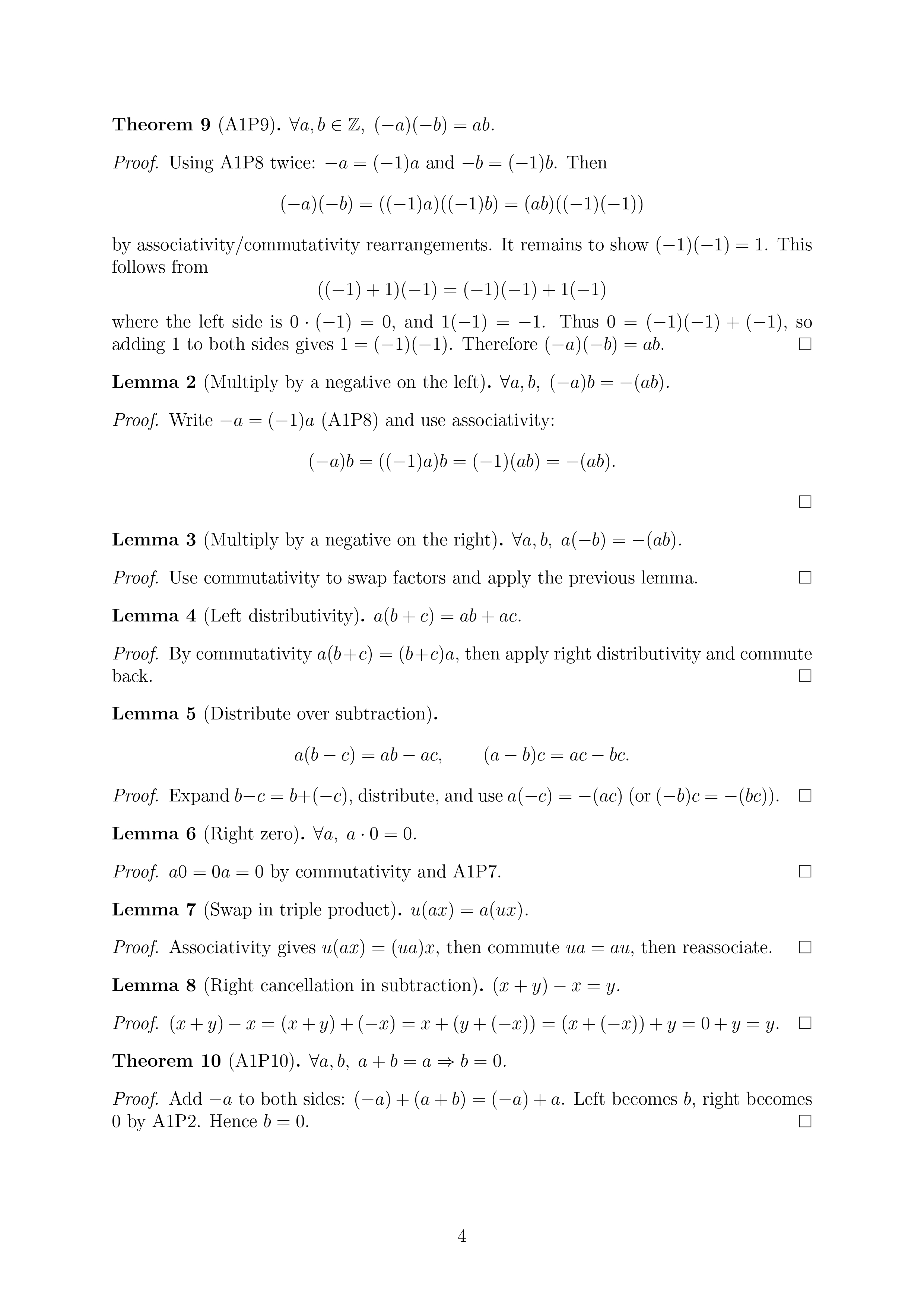
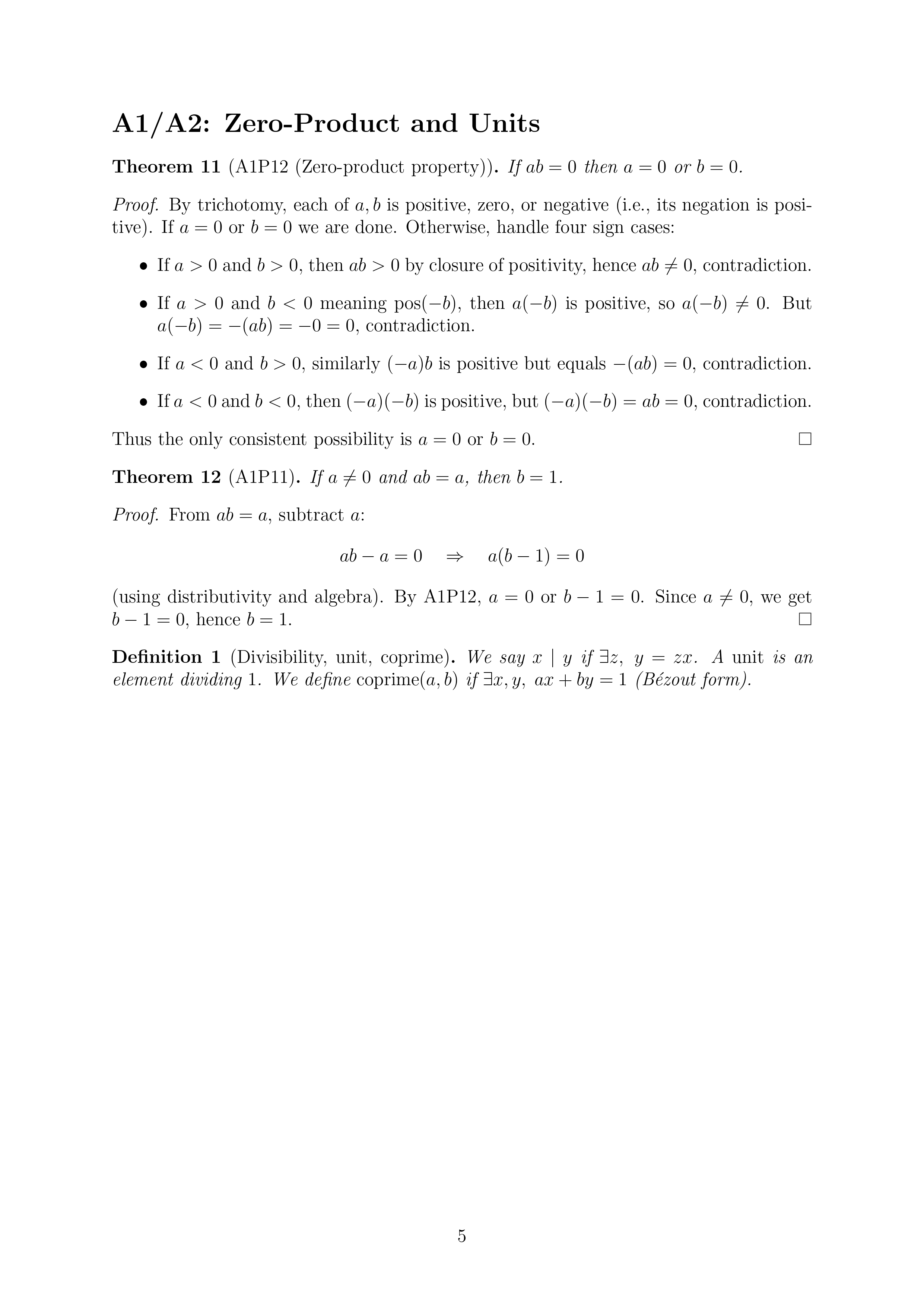
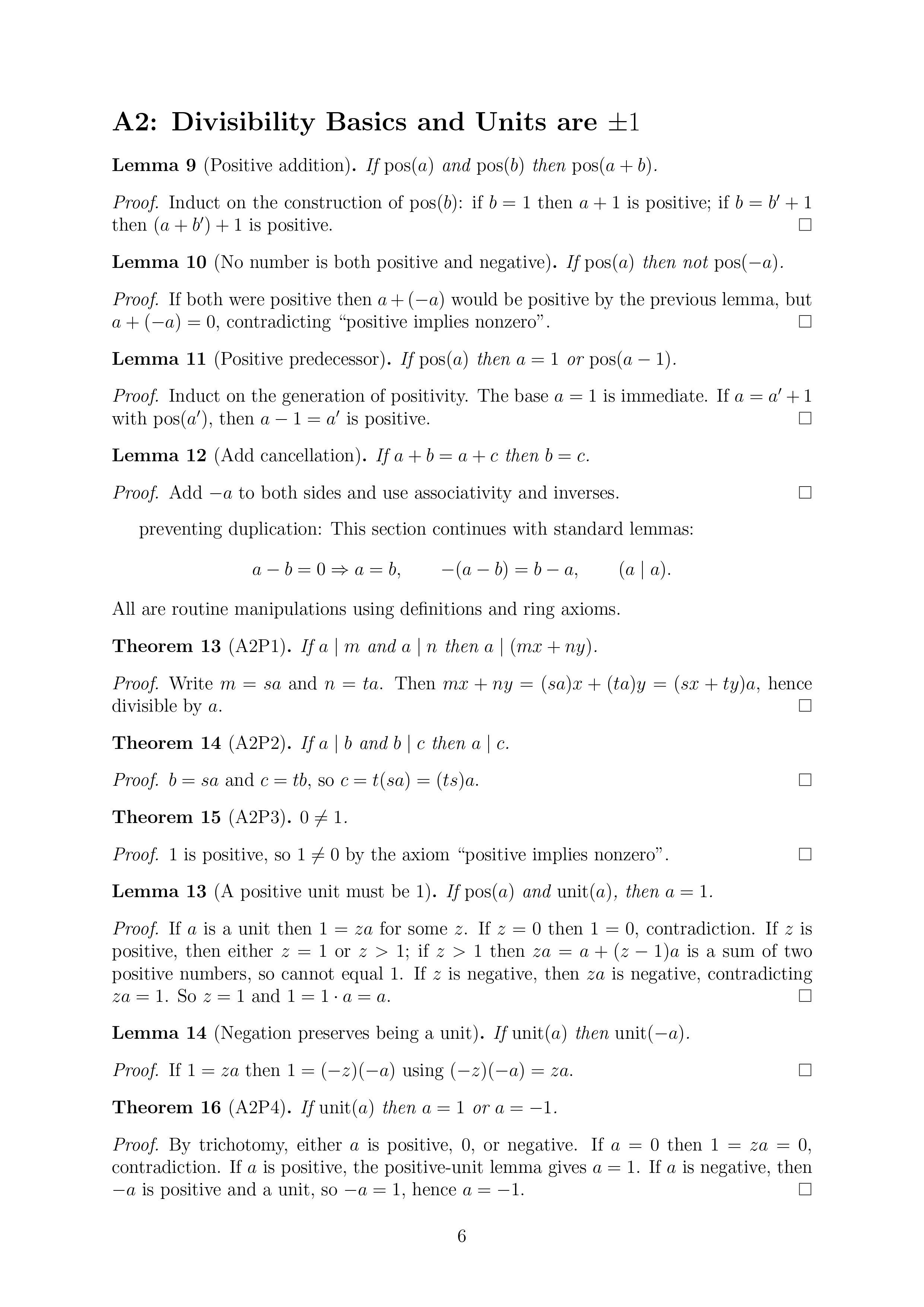
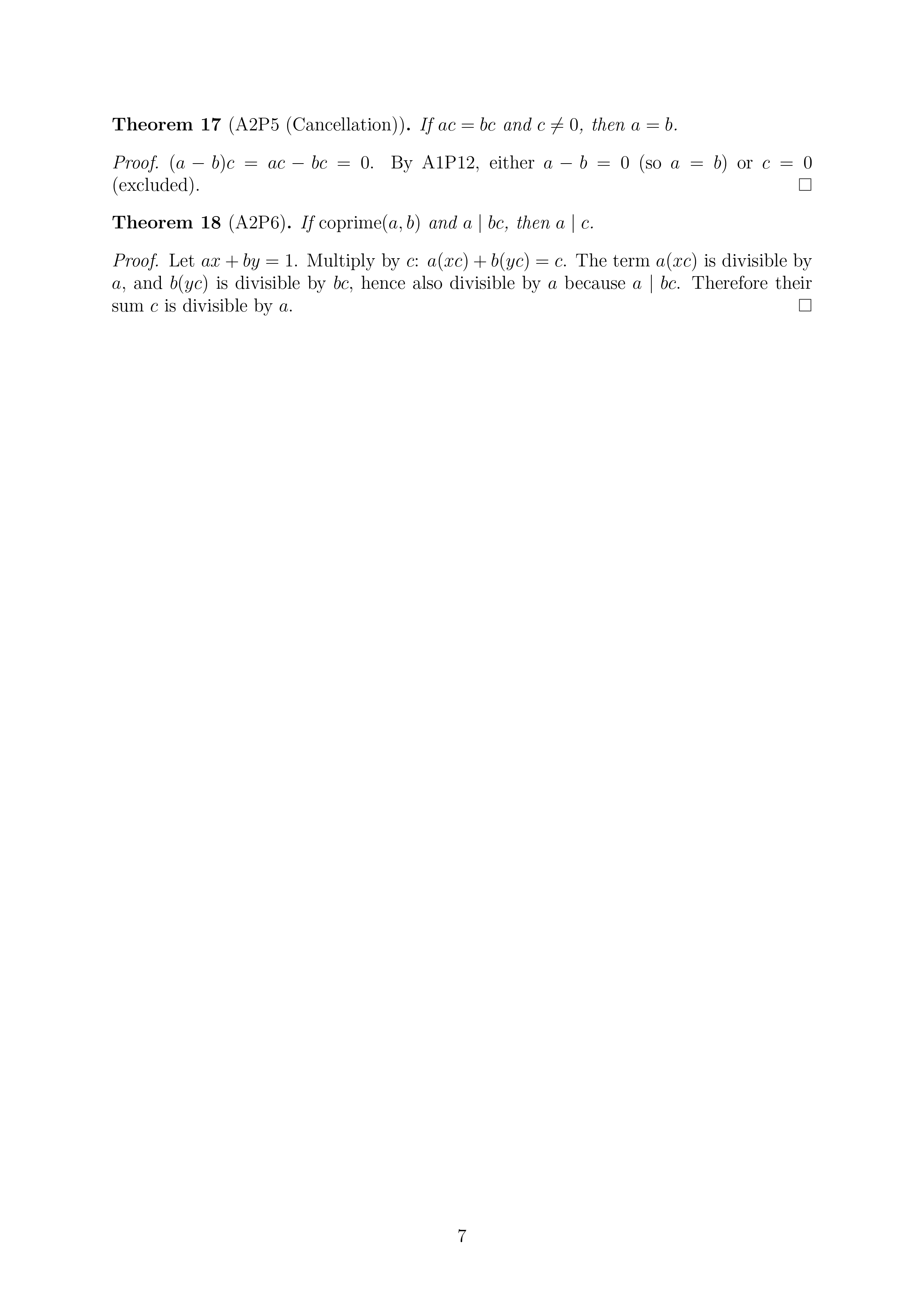
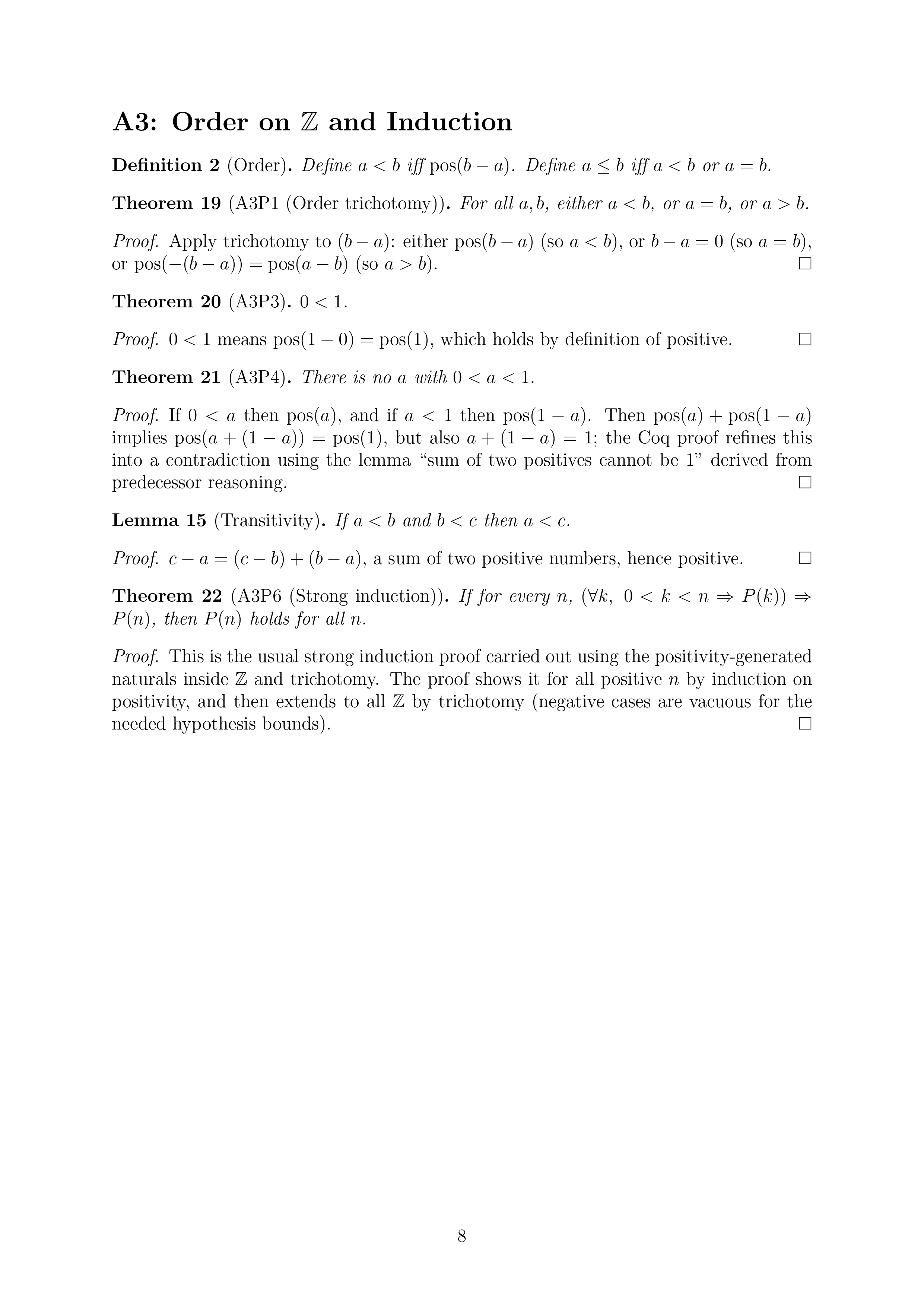
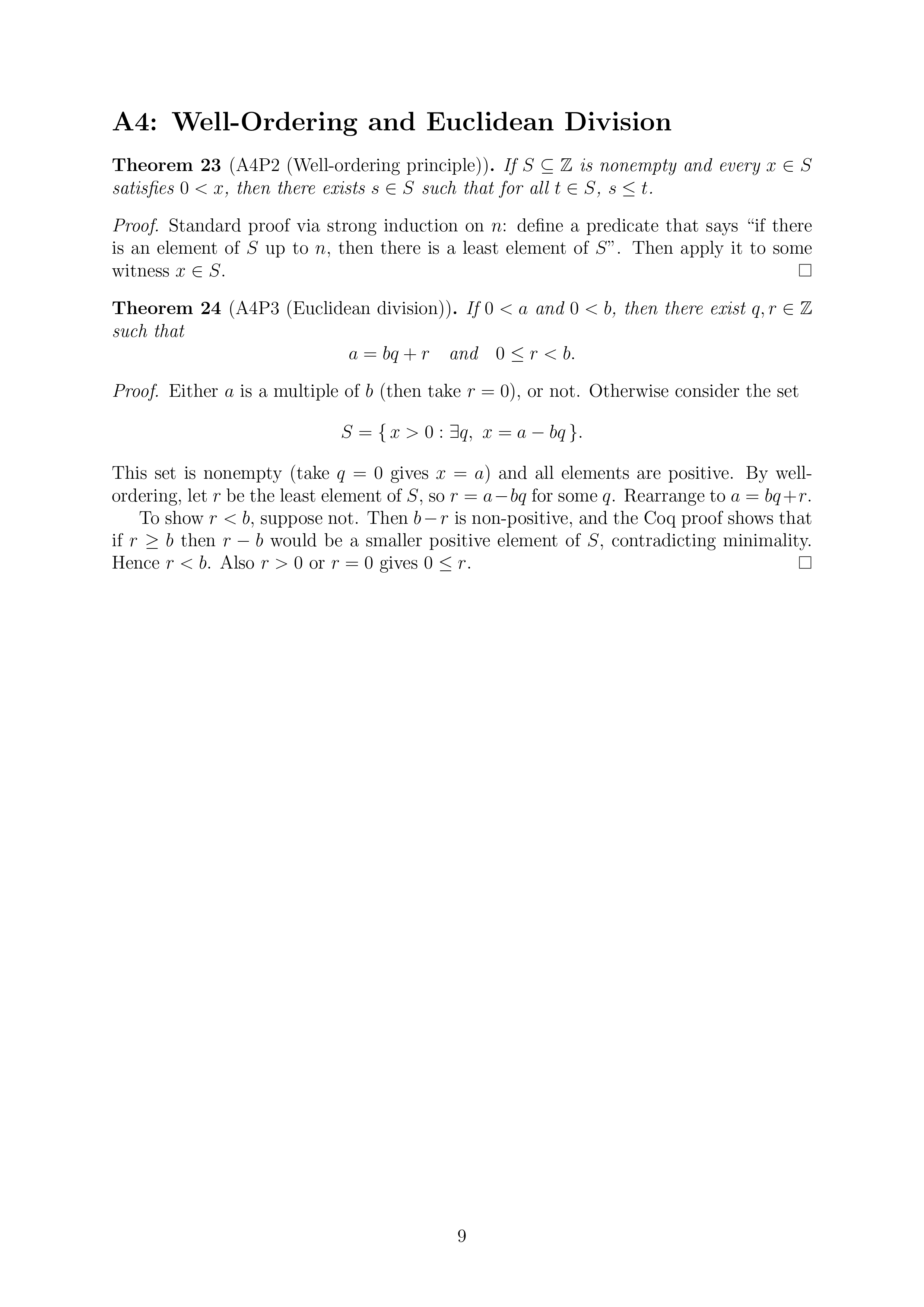
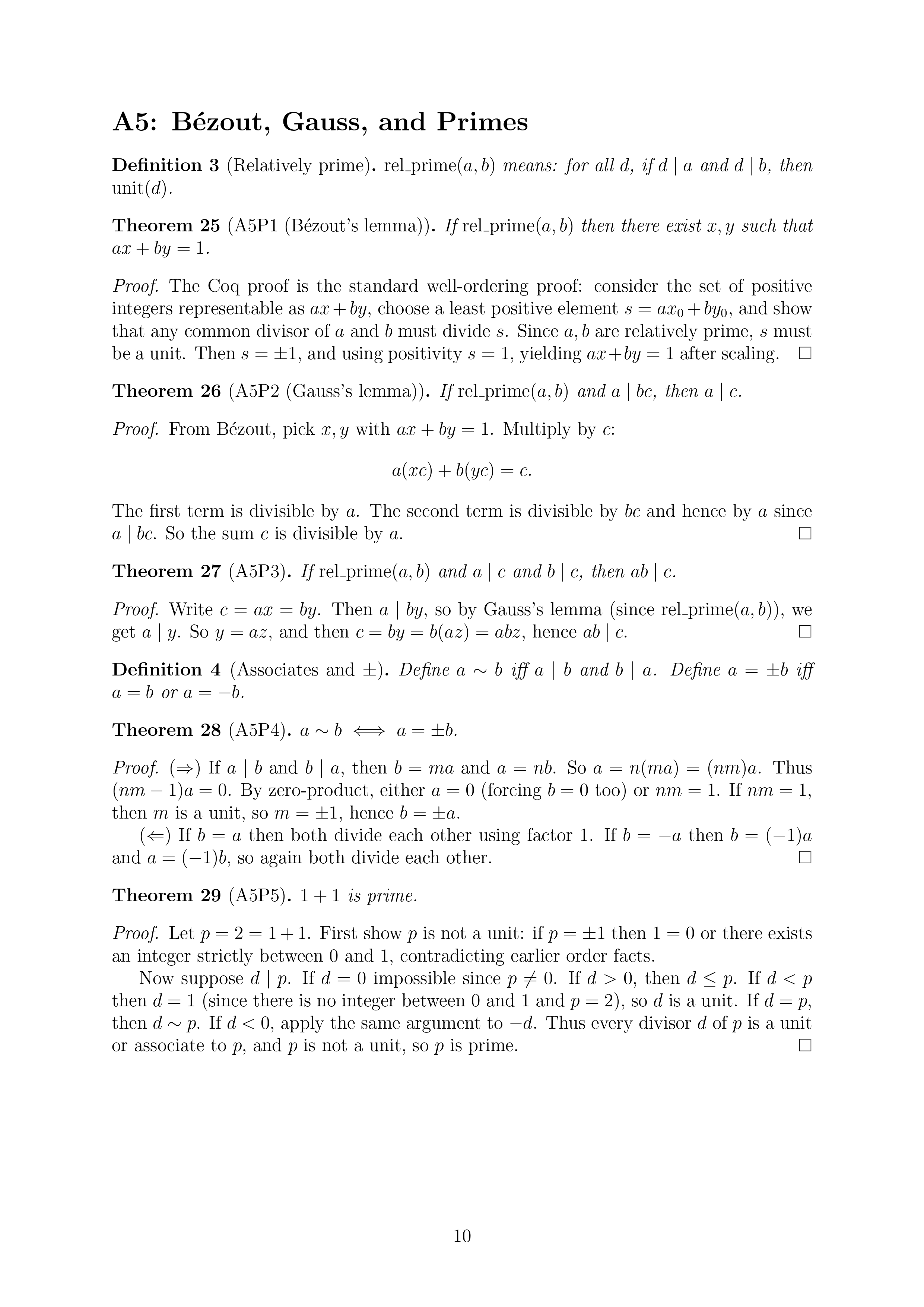
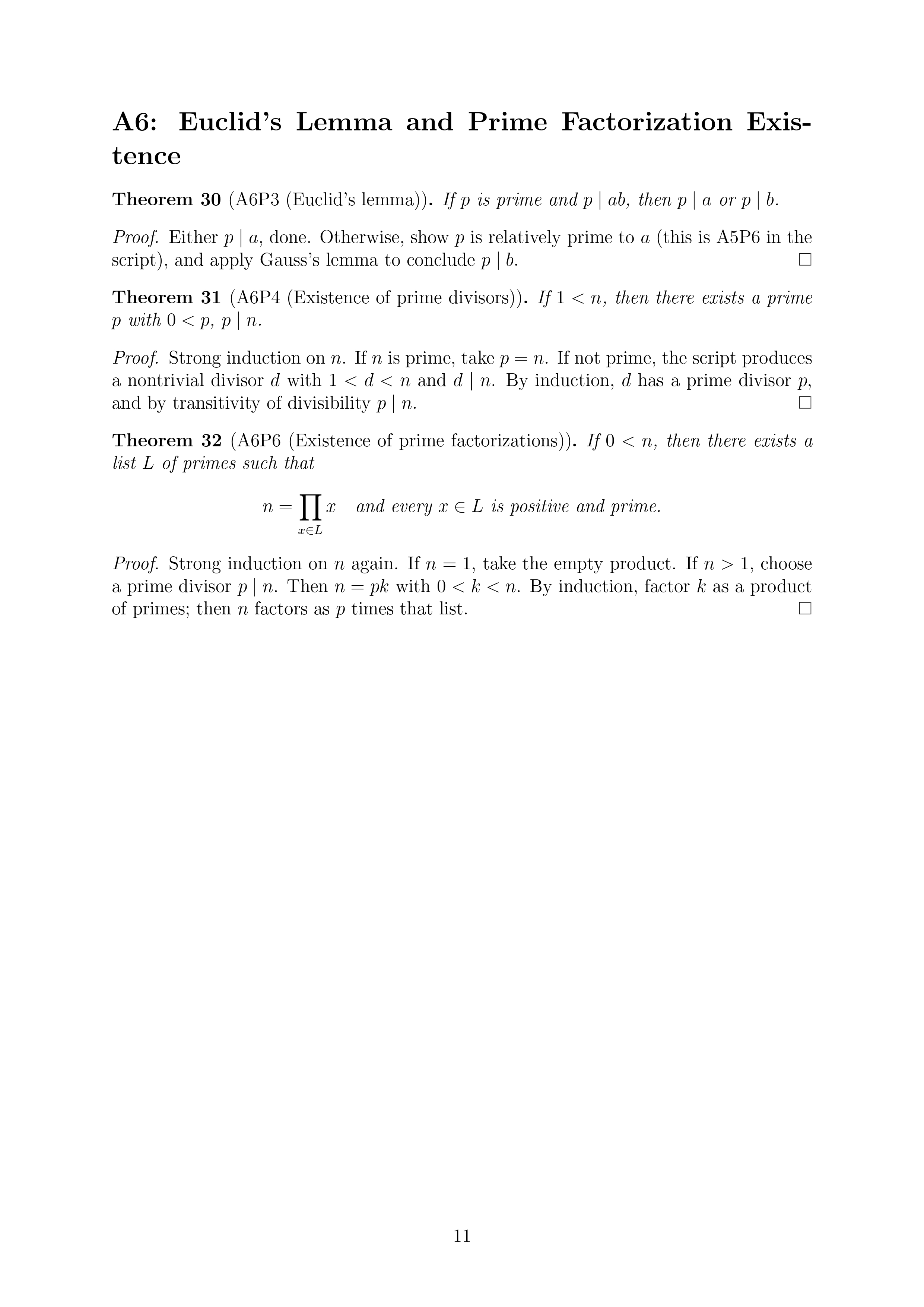
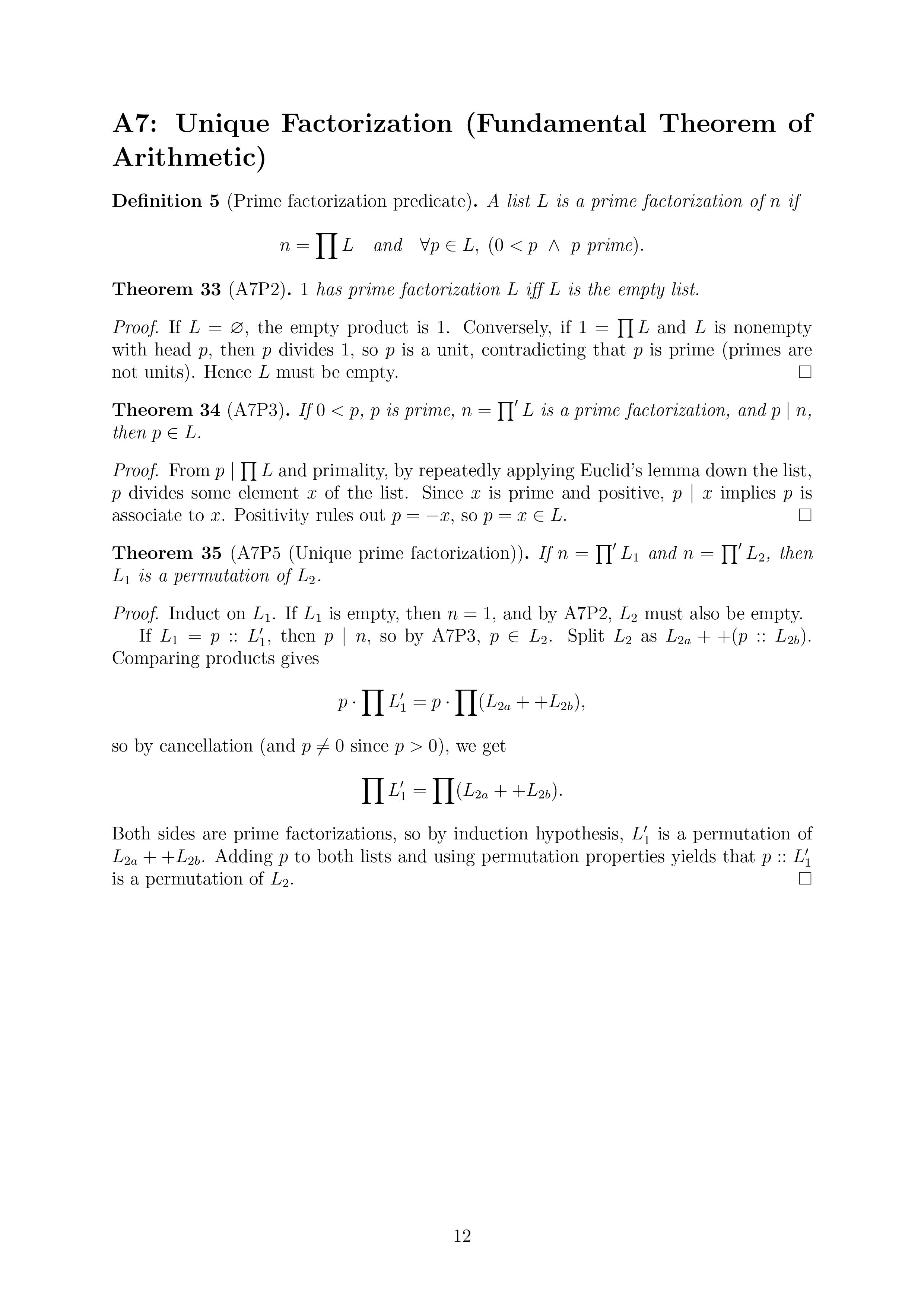
Slide through my proofs page by page . . .
Competitions
Problem-solving under pressure and team engineering.
IMC's global trading competition: five rounds of writing Python strategies that trade simulated products against bots. Our team built market making with inventory skew, Ornstein-Uhlenbeck mean reversion, basket-residual arbitrage on products whose prices summed to a synthetic fair value, and options priced with Black-Scholes over Monte Carlo paths of the mean-reverting underlying.
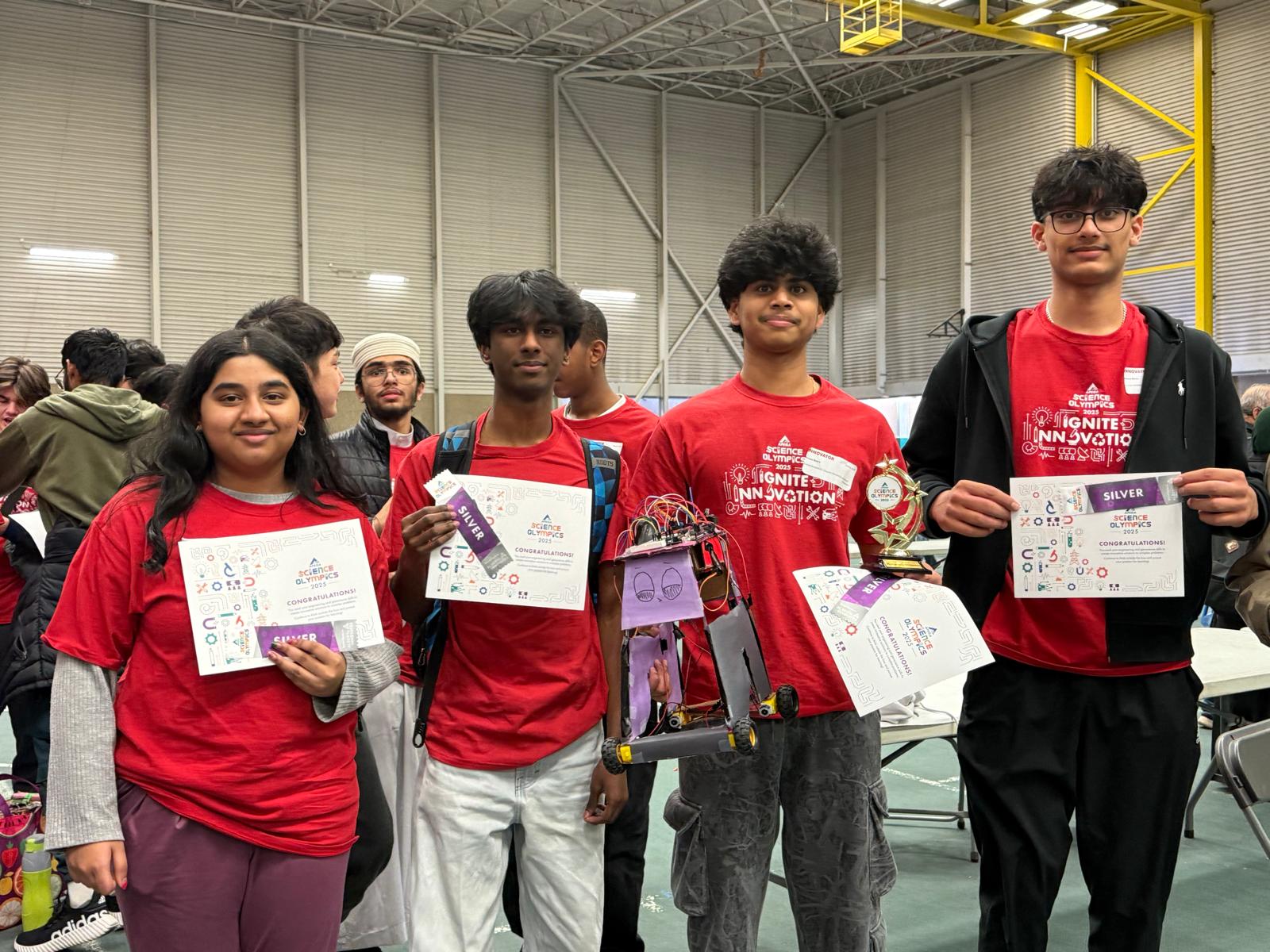
Led a 4‑person team through planning, prototyping, and testing of a competition robot that combined a gyroscope, infrared control, and magnetic detection. We achieved reliable underground object identification, tuned stability and response, and presented technical results for a top‑tier provincial finish.
Experience
Research and engineering roles.
Reinforcement learning for dual-arm robotic cloth folding. I started by working out why no policy was learning the task, and found three independent reasons: the goal encoded a 180° rotation of a flat sheet rather than a fold, so folding the cloth actually made the score go down; the target corner sat about 8 cm outside the arm's reachable workspace, which I established by sampling 40,000 joint configurations per arm and running forward kinematics; and the environment's IK solver stalled 0.104 m away from solutions that provably existed. A fourth bug faked progress: the reset ignored its random seed, so all 8 parallel environments replayed one identical episode, and a policy that looked like it had reached a 100% grasp rate scored 0% once the cloth's start position varied. I rebuilt it as a reachable edge fold and trained the pipeline end to end — a scripted expert with damped least-squares IK, behavior cloning to 83%, then PPO fine-tuning — reaching up to 100% fold success, against 0% for PPO trained from scratch. It ships as a wrapper that leaves the shared environment untouched, with committed checkpoints and pinned solver versions so it runs straight from a clone.
Led a team of 4 engineers building the AI outreach agents for a B2B platform serving non-profits, replacing manual calling and data entry. I scoped and assigned the work, trained the team on the stack, and reviewed everything they shipped. I built an LLM-powered SMS agent that holds two-way conversations and parses replies into structured records, and a voice agent that autonomously places calls, transcribes them, and feeds the same extraction pipeline. Running across every Canadian province, the agents collected a dataset of 1,200+ entries.
Music
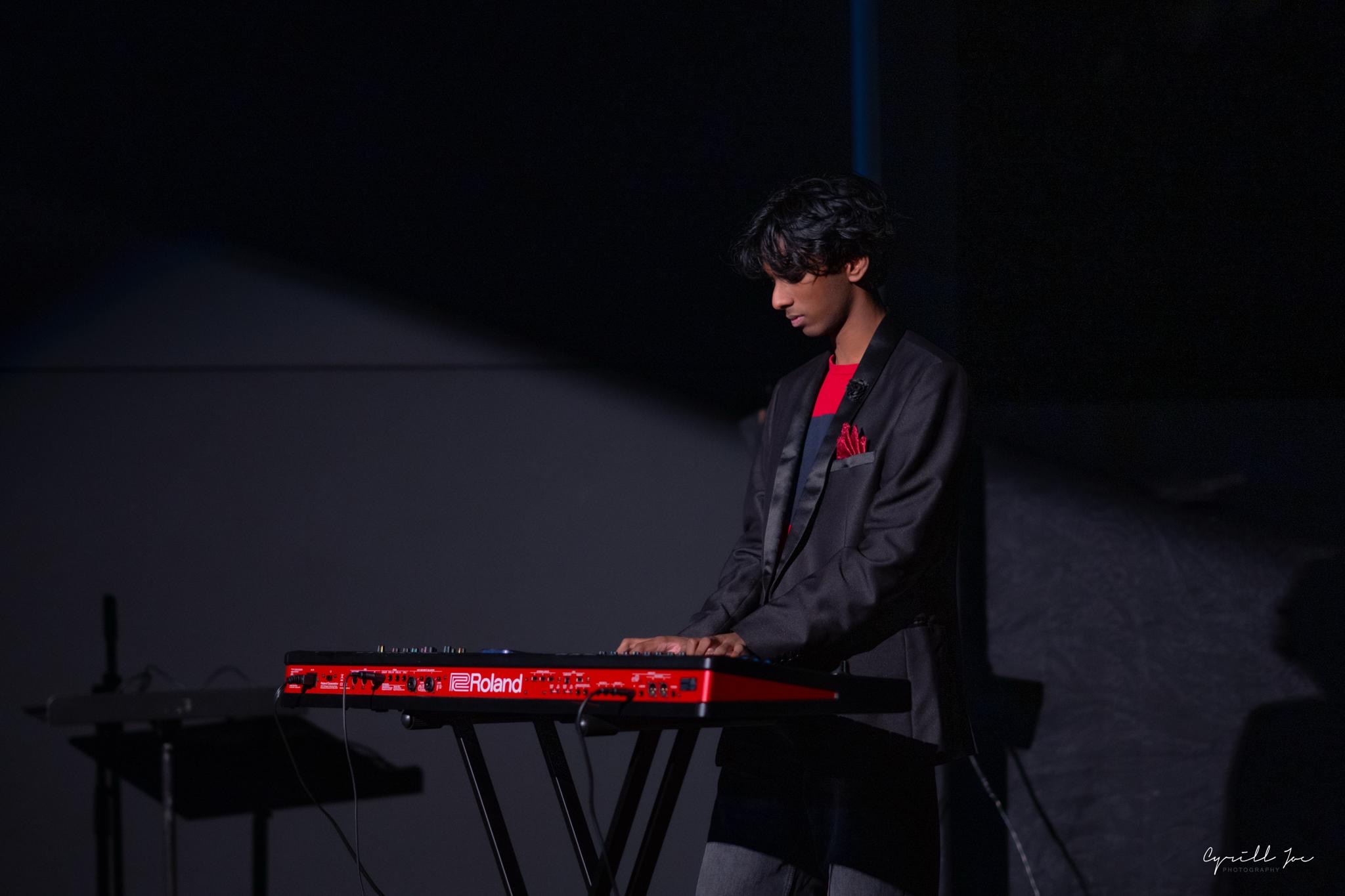
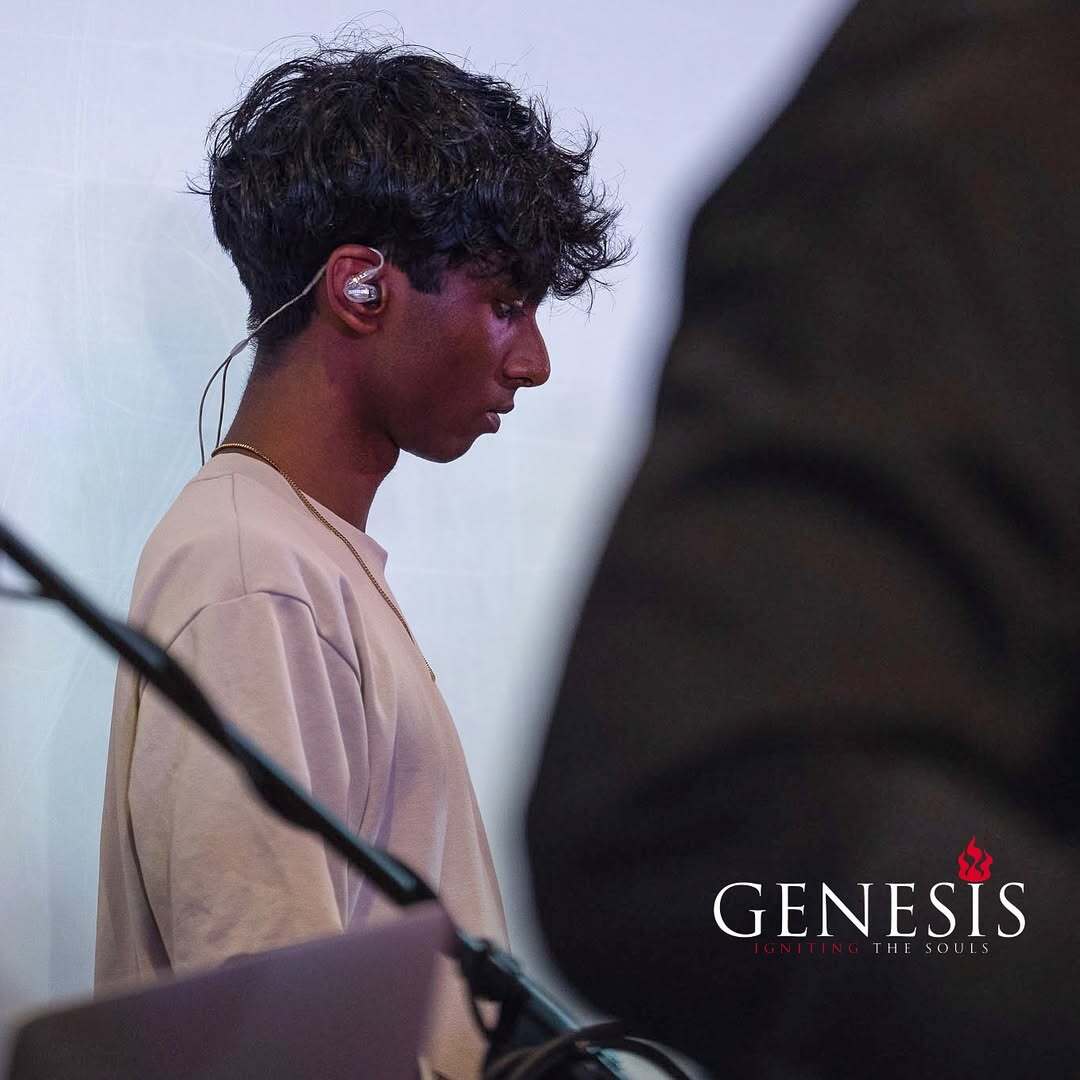
Sound Engineer at CTK + Genesis Canada with a focus on cinematic mixes, live capture, and stage-ready dynamics. Blending performance, production, and engineering into a single, immersive audio identity.
Skills
Languages
Python, C++, C, Java, TypeScript/JavaScript, SQL, Racket
Quant & Math
Probability & stochastic processes, statistical inference, options pricing, game theory, NumPy, pandas, SciPy, statsmodels
ML & Robotics
PyTorch, Stable-Baselines3, Gymnasium, PyBullet, MuJoCo, TensorFlow, OpenCV, MediaPipe, NumPy, pandas
Tools
Git, Docker, Linux, Make, LLDB, TensorBoard, Foxglove, Jupyter, Azure AI, Google Cloud
Certifications
Microsoft Certified: Azure AI Fundamentals (AI-900)
Contact
Email: joshua.barre17@gmail.com
LinkedIn: linkedin.com/in/joshua-barre-94590821a
GitHub: github.com/joshuabarre
Instagram: @_joshuabarre_